A nagging cough, a sudden fever, that unmistakable ache deep in your bones—the signs of influenza are often all too clear. In the midst of feeling unwell, a pressing question emerges: how long will this last, and more specifically, how long will I test positive for the flu? Understanding this timeline is not merely a matter of curiosity; it’s a crucial component of managing your health, making informed decisions, and safeguarding the well-being of those around you. The duration of a positive test is a window into the virus's activity within your body.
Understanding the Flu Virus and Its Timeline
The Journey of Influenza in Your Body
The influenza virus is a formidable pathogen with a predictable, yet person-specific, pattern of invasion and replication. Upon entering your system, typically through the mucous membranes of your nose, mouth, or eyes, the virus begins a period of incubation. This initial phase, which can last anywhere from one to four days, is often deceptively quiet; people often become contagious about 1 day before symptoms begin. Following incubation, the symptomatic phase erupts as the virus replicates exponentially. Your immune system launches a counteroffensive, producing the antibodies and inflammatory responses responsible for the classic flu symptoms. It is during this peak symptomatic period that viral shedding—the release of new virus particles from your body—is at its highest, making you most contagious and most likely to receive a positive test result.
The Window of Detection: How Long Will You Test Positive?
The Typical Positivity Period for Influenza
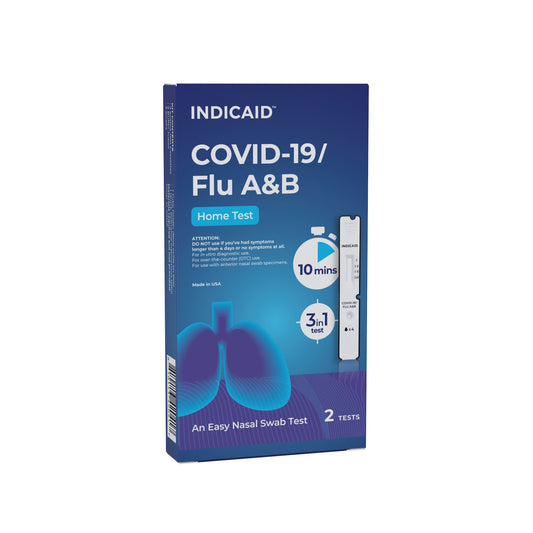
For most otherwise healthy adults, the flu virus runs a course of approximately five to seven days of acute symptoms. The highest viral load, generally occurs within the first three to four days of symptom onset. Correspondingly, you can expect to test positive on a rapid antigen test, like the INDICAID™ COVID-19 / Flu A&B Rapid Home Test, from the first to fourth day with symptoms; positivity commonly declines after day 5. However, it is not uncommon for individuals, especially children, elderlies or immunocompromised individuals, to continue testing positive for up to a week or slightly longer. It is a testament to the body's prolonged battle to completely eradicate the viral particles.
Factors Influencing Your Positive Test Result
Beyond the Calendar: Individual Variables That Matter
While a general timeline exists, the precise duration of a positive test is not a universal constant. Several intrinsic factors can profoundly influence this window. Your individual immune competence is paramount; a strong, responsive immune system may clear the virus more efficiently, shortening the positivity window. Conversely, a compromised immune system can lead to a more prolonged period of viral shedding and positive tests. Age plays a significant role—young children and older adults often experience extended illness and positivity periods. The specific strain of influenza and the initial viral dose you were exposed to can also alter the internal timeline of your infection. Vaccination tends to reduce illness severity and may shorten shedding, though data vary by season/strain. Starting flu antivirals early can lower viral levels and shorten how long tests remain positive.
Furthermore, it is very important to follow the instructions closely, swab both nostrils, and collect for the full recommended time. A good nasal swab makes a big difference.
When is the Optimal Time to Test for the Flu?
Strategic Testing for Maximum Accuracy
To avoid the ambiguity of a false negative, timing your test is critical. The optimal window for testing begins with the manifestation of symptoms. Testing on the first day you feel unwell can sometimes yield a positive result, but for utmost reliability, testing within the first three to four days of symptom onset is recommended. This is when the viral concentration in your nasal passages is most concentrated and easily detectable by a rapid test. A single negative antigen test, especially on day 0–1, does not rule out influenza. If you continue to experience flu-like symptoms, repeat an antigen test 24–48 hours later or get a molecular test. If symptoms <48 hours and you’re high‑risk or very ill, contact a clinician promptly to discuss antivirals; don’t wait on repeat testing.
The elegance of a solution like the INDICAID™ test lies in its profound convenience; it allows you to administer this precise testing from the comfort of your home at the most strategic moment, without the need to venture out to a clinic while contagious.
Navigating Your Results and Next Steps
From Test Line to Treatment: A Guide to Recovery and Protecting Others
A positive test result is a definitive signal to initiate a regimen of self-care and conscious isolation. Your immediate focus should be on rest, hydration, and managing symptoms. It is also a clear indicator that you are contagious and should take measures to avoid transmitting the virus to others. This means staying home from work, school, and public gatherings. Consider asking your healthcare provider about antiviral medication (which differs depending on the respiratory virus you have) which works best when started within 48 hours of symptom onset and can shorten illness, reduce complications, and help prevent spread—especially important for people at higher risk for severe flu. The profound value of a triplex test, which differentiates between COVID-19, Flu A, and Flu B, cannot be overstated. It empowers you with a specific diagnosis, enabling more informed conversations with healthcare providers and ensuring you do not mistakenly assume you are clear of one virus when you are positive for another. This knowledge is instrumental in curtailing community spread.
As your symptoms begin to abate and your energy returns, you may test yourself again. A negative antigen result means the test didn’t detect influenza at that time; you may still be contagious, particularly early or late in illness. Ending isolation should be based on symptom improvement and at least 24 hours fever‑free without fever-medications. It is always prudent to continue practicing good hygiene for a few additional days as a precaution. Having a reliable, FDA-cleared test like INDICAID™ readily in your medicine cabinet provides an unparalleled peace of mind, allowing you to navigate illness with clarity, confidence, and care for your entire household.