

Rapid Flu Home Tests: How They Work and Why You Need One This Season
Flu season is here, and knowing what’s behind your symptoms has never been more important. Fever, cough, sore throat, or fatigue—are they caused by the flu, a cold, or COVID-19? At-home rapid flu tests give you quick answers without the hassle of a clinic visit.
In just minutes, rapid flu home tests can confirm if the flu is the cause, so you can rest, start treatment, and protect your family. With flu and COVID-19 sharing symptoms, an at‑home combo test lets you confirm flu fast, which is important since flu antivirals have their greatest benefit in the first 48 hours.
This guide breaks down flu symptoms, how rapid flu tests work, and why they’re an essential tool for staying healthy this season.
Understanding Flu Symptoms
The CDC notes that the flu can cause mild to severe illness and sometimes serious complications such as pneumonia. Flu symptoms usually develop within 1–4 days after exposure and come on suddenly. Understanding these signs and testing early is critical:
Common Symptoms of the Flu
- fever* or feeling feverish/chills
- cough
- sore throat
- runny or stuffy nose
- muscle or body aches
- headaches
- fatigue (tiredness)
- some people may have vomiting and diarrhea, though this is more common in children than adults.
*It's important to note that not everyone with flu will have a fever.
Distinguishing Flu from COVID-19 Symptoms
COVID-19 and influenza share many symptoms, and clinical overlap is common. COVID-19 symptoms typically begin 2–10 days after exposure. Loss of taste or smell can occur with COVID-19, but may be less common with recent variants, and some people with flu can also report changes in smell/taste. Because symptoms overlap, testing is the best way to tell them apart.
Common Symptoms of COVID-19
- Common flu symptoms overlap
- New loss of taste or smell
- Shortness of breath or difficulty breathing
Understanding these can guide proper testing and health decisions. Always consult a professional if unsure.
Importance of Recognizing Symptoms Early
Catching flu symptoms early allows for timely intervention and helps stop the virus from spreading to vulnerable groups—such as adults over 65, young children, pregnant women, and people with chronic health conditions.
Early recognition makes it easier to access treatment promptly, which may reduce the severity of the illness. By monitoring symptoms closely, you can make informed health decisions faster and protect both yourself and those around you.
What is a Rapid Flu Home Test?
A rapid flu home test is a quick and convenient way to detect the influenza virus without visiting a doctor’s office. These at-home flu tests are simple to use, provide results in just minutes, and are especially helpful during flu season when symptoms can be confusing. Most at-home rapid tests are antigen tests. They are convenient and fast, but less sensitive than molecular tests performed in clinics.
Since the COVID pandemic, almost all of the flu home test kits on the market are COVID/Flu combo tests. These at-home kits can detect influenza A, influenza B, and COVID-19 simultaneously from a single nasal swab. This makes them especially useful during flu season since flu symptoms often overlap with COVID-19.
Here's what a typical kit includes:
- Nasal swab
- Test cassette
- Buffer tube
- Detailed instructions for use


How COVID/Flu A&B Tests Work
COVID/Flu A&B tests function by detecting viral proteins. When the virus enters your body, it contains proteins called antigens that appear in your nose and throat. These antigens signal that your body is fighting COVID SARS-CoV-2, Flu A and Flu B viruses. As the sample flows down the strip, viral proteins bind to corresponding detector antibodies — forming two lines if antigens are present. Follow your kit’s instructions to interpret which line corresponds to each virus.


How to Test
Covid and flu comb testing at home is easy — just four simple steps:
- Collect nasal swab samples from both nostrils using the same swab
- Stir the swab thoroughly in the buffer solution vial
- Add 4 drops of the mixed solution onto the test device
- Read your results in 10 minutes


Interpreting Results and Next Steps
Positive for Flu A or B: Start home isolation, rest, hydrate, and consider contacting your healthcare provider—especially if you’re at higher risk—to discuss antiviral medication. Antivirals work best within 48 hours of symptom onset.
Negative test but symptoms suggest flu: A single negative antigen result doesn’t rule out influenza. Repeat testing in 24–48 hours or seek a molecular test if symptoms persist or you’re high‑risk.
When to end isolation: Stay home until your fever has resolved for at least 24 hours without fever reducers and symptoms are improving.
If you’re at higher risk for complications (age 65+, pregnant, chronic conditions, immunocompromised), contact a healthcare professional promptly — antiviral medication works best when started within 48 hours.
Where to Find Rapid Flu Tests
Finding rapid flu tests is straightforward with various options available. Knowing where to look helps you act quickly when symptoms arise.
Testing Locations Near You: CVS, Walgreens
Local pharmacies are a solid choice for obtaining flu tests. Stores like CVS and Walgreens typically stock a variety of kits, which include:
- COVID-19 home test kits
- Flu and COVID-19 combo home test kits
Online Stores: INDICAID Website and Amazon
For online purchases, consider the INDICAID website or Amazon, where millions of test kits have been sold — making it a trusted go-to choice for families across the U.S. With fast shipping straight to your door, you can avoid the hassle of traveling outside when you may already be feeling unwell.
Order today to stay prepared this flu season
Order today to stay prepared this flu season
-
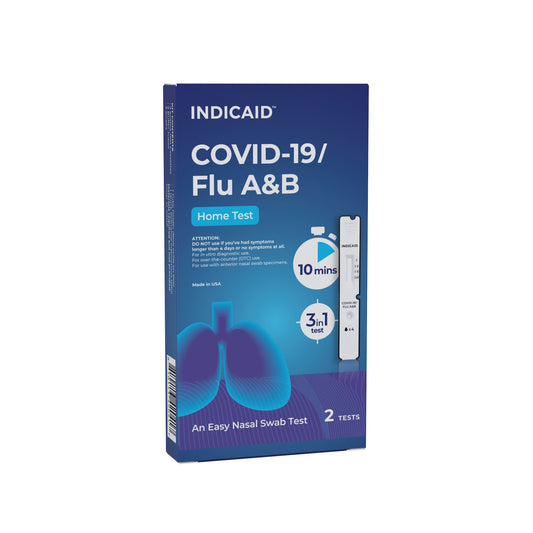 Sale 20%!Regular price From $16.79Sale price From $16.79 Regular priceUnit price per
$20.99Sale 20%! -
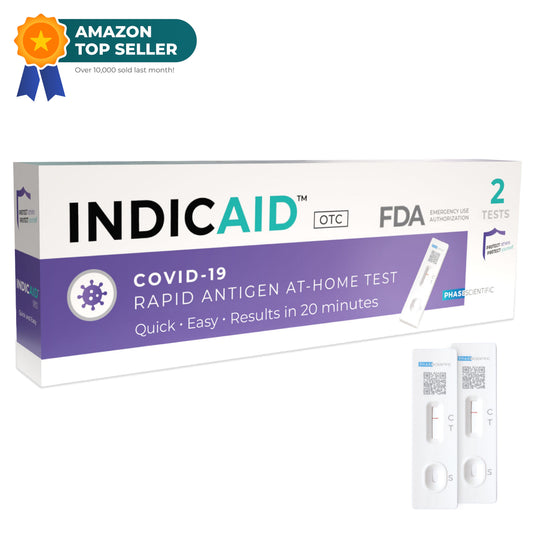 Sale 10%!Regular price From $8.55Sale price From $8.55 Regular priceUnit price per
$9.49Sale 10%!
Why You Need a Rapid Flu Home Test This Season
Flu and COVID-19 share many symptoms, and guessing is risky. A rapid test at home gives you quick, reliable answers — helping you identify flu symptoms quickly and treat symptoms sooner, avoid long clinic waiting time, and protect your loved ones. With results in just minutes, these tests provide peace of mind and keep you one step ahead this flu season. By using these tests, you ensure better protection for yourself and the community. Embrace home flu testing as a strategic step in maintaining your health this season.
Limits to a Rapid Flu Home Test
At‑home antigen tests are most accurate within the first 3–4 days of symptoms. A single negative result doesn’t rule out flu—if symptoms strongly suggest influenza, repeat the test after 24–48 hours or ask your clinician about a molecular (PCR/NAAT) test.
Seek urgent medical care if you have trouble breathing, chest pain, confusion, signs of dehydration (very little urine, dizziness), persistent high fever, or symptoms that are worsening, or if you are pregnant or have underlying conditions and feel severely ill.